Yonkers Pro Locksmith Service Team
Local locksmith team
May 5, 2026 11 min read
If you live in Yonkers — whether you're near the Tudor-lined streets of Ludlow Park or a walkup off Nepperhan Avenue — you've probably glanced at your front door and wondered whether what's on it is actually enough. Most residential doors in Westchester come standard with a door knob lock, and many homeowners assume that's the job done. It isn't. Understanding the difference between a knob lock and a deadbolt, and knowing how a mortise lock fits into the picture, is the single most useful thing you can do before a break-in forces your hand.
This guide breaks down exactly how each lock type works, where each one fails, and what combination a Yonkers homeowner should have installed right now — no fluff, no jargon. Whether you're rekeying after a house lockout, upgrading after a break-in, or simply wondering why your locksmith recommended a mortise lock instead of what the hardware store had on the shelf, you'll walk away with a clear answer.
## What a Door Knob Lock Actually Does — and Where It Falls Short
A door knob with lock is a combined handle-and-latch mechanism: turning the knob retracts a spring-loaded latch bolt, and a small button or key engages a rotating cylinder to hold that latch in the locked position. The convenience is real — it's the same motion you use to open the door anyway. The vulnerability is just as real. The latch bolt in a standard knob lock is typically spring-loaded, which means it can be shimmed or loided (slid back with a thin, flexible tool) in seconds without any special knowledge. The lock cylinder itself sits inside the knob, meaning the entire mechanism can be gripped, torqued, and snapped with a pipe wrench or channel-lock pliers — a technique so common it has its own name: knob-snapping. Once the knob is sheared off, the spindle inside is often exposed and the door swings open. This isn't a worst-case scenario; it's a realistic one that our team sees after forced-entry calls across Yonkers on a regular basis.
That said, a door knob with lock and key still plays a legitimate role. It controls who can turn the handle, it meets basic code requirements in residential construction, and for interior doors — a door knob with lock for bedroom privacy, for example — it's entirely appropriate. The problem arises when a knob lock is the only line of defense on an exterior door. On its own, it is not a security lock. It is a convenience lock with a keyed cylinder added to it.
## How a Deadbolt Changes the Equation for Your Door Knob Lock Setup
A deadbolt works on a fundamentally different mechanical principle. Instead of a spring-loaded latch, it throws a solid steel bolt — typically one inch or more — directly into the door frame strike plate. Because the bolt is not spring-loaded, it cannot be shimmed or loided back. Because it sits in the door above the knob lock, it is not vulnerable to knob-snapping. A properly installed Grade 1 deadbolt (the ANSI rating used by brands like Schlage or Kwikset for their highest residential tier) is engineered to resist kick-in forces, picking, and drilling when paired with a reinforced strike plate and three-inch screws anchored into the door frame stud — not just the thin door casing. That last detail matters enormously. A standard door comes with a strike plate held by half-inch screws. Upgrading to a heavy-gauge strike plate with three-inch screws costs almost nothing in parts but dramatically increases kick resistance.
Here's where homeowners often stop — two locks on the door, done. But a single-cylinder deadbolt alone still leaves gaps. The cylinder can be picked by someone with patience and practice (which is exactly why people search for how to pick a door knob lock or how to pick a lock door knob — it's a real concern). It can be drilled. And if the door frame itself is weak, the bolt holds but the frame splinters. This is why the most robust residential security solution isn't just about the lock — it's about the full assembly: reinforced frame, quality strike plate, and the right lock combination.
## The Mortise Lock Advantage — What Your Emergency Locksmith Installs for Real Security
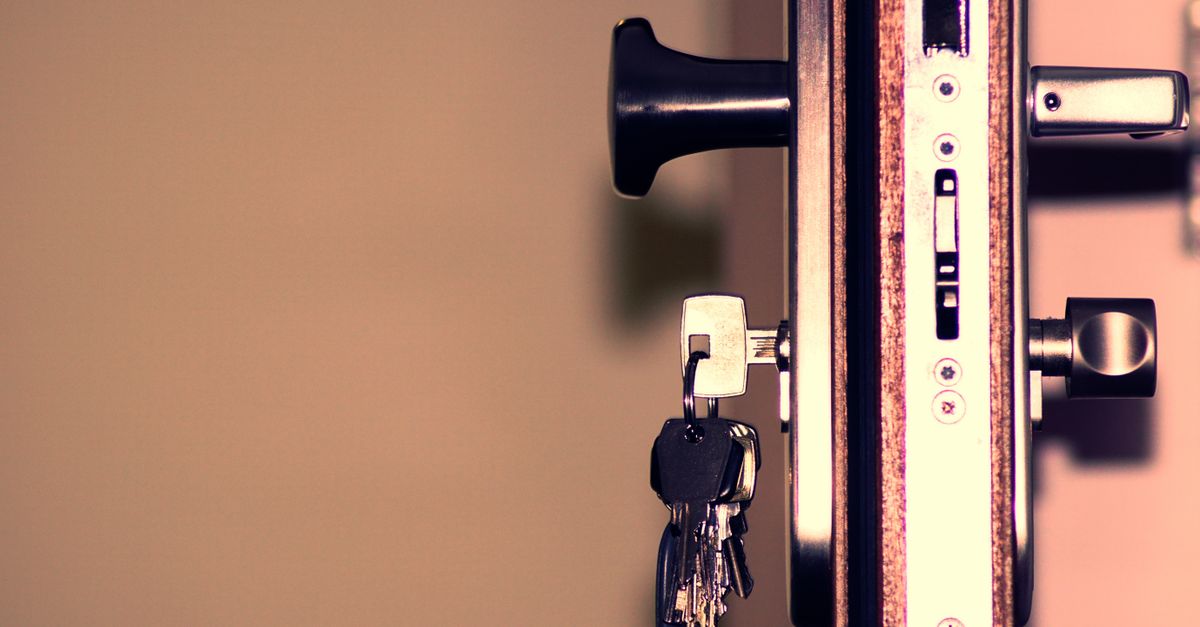
A mortise lock is the hardware your emergency locksmith reaches for when a homeowner wants genuine protection rather than the appearance of it. Unlike a cylindrical deadbolt or knob lock that is surface-mounted and held by two screws through the door face, a mortise lock is set into a rectangular pocket (the mortise) cut into the door's edge. The entire lock body — typically a steel or cast-metal housing — is recessed inside the door, making it nearly impossible to attack from the outside without destroying the door itself. Mortise locks combine a deadbolt and a latch in a single integrated unit, often with anti-drill plates, hardened steel inserts, and anti-pick pins built in as standard features rather than upgrades.
For Yonkers homeowners on older pre-war doors — the kind common in the Getty Square area or the historic apartment buildings along Park Hill — mortise locks are often the original hardware, and the frames are already mortised to accept them. Replacing a worn mortise lock with a quality modern unit is frequently the single most impactful security upgrade available on those doors. Our team performs mortise lock installation and replacement regularly, assessing the door's thickness, wood condition, and existing mortise dimensions to recommend the right body size and cylinder. If your door has never had a mortise lock, we can evaluate whether your door thickness and material can support the cutout. Not every door can, but many residential and virtually all commercial doors in Westchester can.
## Commercial Locksmith Perspective: What Businesses and Multi-Unit Buildings Need
From a commercial locksmith standpoint, the lock conversation shifts significantly. A retail storefront on South Broadway, a professional office off Tuckahoe Road, or a multi-unit rental building near the Cross County Shopping Center all face threats that differ from a single-family home. Volume of key holders means rekeying needs to happen more often. Higher-traffic doors wear out faster. Break-in attempts at commercial properties are often more methodical. This is exactly why commercial locksmith work centers on mortise locks, high-security cylinders with restricted keyways (meaning keys cannot be duplicated at a hardware store without authorization), and access control systems that log who enters and when.
For landlords managing Yonkers multi-family buildings, the same logic applies at scale. A tenant turnover that doesn't include a rekey is a security liability — former tenants, their friends, or anyone they gave a key to still has access. Our commercial locksmith services cover master key system design, mortise lock installation and servicing, panic hardware installation for code-compliant exit doors, and access control integration. The goal in every case is the same: control who has access, make forced entry as difficult as possible, and make it easy for authorized people to move through a building without friction.
We also handle business lockout situations — when a manager can't get into the office at 6 a.m., when a keycard system fails, or when a key breaks in a commercial lock. Our mobile team carries tooling for the full range of commercial hardware, so we're not guessing when we arrive.
## What Yonkers Homeowners Should Actually Install — A Practical Breakdown
Based on everything above, here is the combination that provides real-world residential security for a Yonkers exterior door. First, a quality deadbolt — at minimum a Grade 1 single-cylinder unit from a reputable manufacturer, paired with a reinforced strike plate and three-inch screws. If your door has a sidelight window within arm's reach of the thumb-turn, consider a double-cylinder deadbolt that requires a key from both sides, though you must keep a key nearby for emergency egress. Second, retain your door knob with lock for convenience and as a secondary latch — just don't rely on it alone. Third, if your door and frame support it, a mortise lock that combines both functions in a single hardened body is the upgrade that genuinely changes the security profile of your door.
If you've recently dealt with a house lockout, a break-in repair, or a car lockout and found yourself calling us at 2 a.m. from a Yonkers street, you already know the value of having good hardware before an incident rather than replacing compromised hardware after one. Break-in repair and lock replacement after a forced entry is something our team handles regularly — we carry common mortise lock bodies and deadbolt hardware on our vehicles so we can restore a door to a secure, operational state the same night. If you're unsure what's on your doors right now, or you've just moved into a Yonkers home and want a security assessment, call (914) 598-9231 — we answer 24/7 and can walk you through your options before you commit to anything.
## Our Full Range of Locksmith Services in Yonkers NY
Yonkers Pro Locksmith is a mobile, 24/7 operation serving Yonkers and the surrounding Westchester area. Here is a specific breakdown of what our trained locksmiths handle: residential lockout service, car lockout response, business lockout assistance, mortise lock installation and replacement, deadbolt installation and upgrade, door knob lock installation and rekey, high-security cylinder installation with restricted keyways, break-in repair and emergency door reinforcement, lock replacement after forced entry, strike plate reinforcement and door frame repair, master key system design and implementation, commercial mortise lock servicing, panic bar and exit device installation, access control system installation and repair, key duplication for authorized keyholders, transponder key programming, car key replacement, ignition repair and replacement, safe opening and combination changes, padlock and hasp installation, sliding door lock installation and repair, window lock installation, garage door lock repair, intercom and keypad lock integration, apartment rekey after tenant turnover, and multi-unit building master rekey programs. Our team arrives in a marked mobile unit stocked with the hardware and tooling needed to complete most jobs on the first visit.
Frequently asked questions
How much do locksmiths charge on average, and what determines my final price?+
There is no single flat rate because the final price depends on several factors: the type of lock or vehicle involved, the complexity of the work (a standard rekey differs significantly from a mortise lock installation or a transponder key programming job), the time of day (overnight and holiday calls involve different costs than midday appointments), your location relative to our dispatch point, and whether parts — new lock hardware, cylinders, or keys — are needed. What we always do is confirm an exact price with you before any work begins, so there are no surprises on your bill. If you want a clear estimate before we come out, call us at (914) 598-9231 and describe what you need.
How long does it usually take for a locksmith to come?+
Our average response time across Yonkers and the surrounding Westchester area is typically 20 to 45 minutes, though it depends on your specific location, current call volume, and time of day. If you're near landmarks like Ridge Hill or the Saw Mill River Parkway corridor, we can often be faster. We always give you a realistic arrival estimate when you call so you're not left guessing on a dark street or outside a locked business.
What is a locksmith call out fee, and do you charge one?+
A call out fee — sometimes called a service call fee or dispatch fee — is a flat charge some locksmiths apply just to come to your location, separate from the cost of the actual work. Whether or how this applies to your specific job is something we discuss clearly when you call. Our process is to give you a full, confirmed quote before work starts so you understand exactly what you're agreeing to. There are no hidden additions after the fact.
Can someone actually pick a door knob lock, and how worried should I be?+
Yes, a standard door knob lock cylinder can be picked by someone with basic tools and practice — which is one of the main reasons knob locks should never be the sole lock on an exterior door. Rather than detailing picking methods, the more useful answer is: the best protection is hardware that raises the difficulty significantly. A quality deadbolt with anti-pick pins, or a mortise lock with a high-security cylinder, requires a skill level and time investment that most opportunistic burglars won't invest. If you're concerned about the vulnerability of your current hardware, our team can assess your doors and recommend a realistic upgrade path. Call (914) 598-9231 any time — we're available around the clock.